Over analysis and decision fatigue are squelching happiness and slowing us down.
I was chatting with a colleague the other day and she was sharing how she and her partner had just moved in together. When I asked about furnishing the place, she said they had made some quick purchases at IKEA, but none of it really mattered all that much as they had plans to relocate to New York the following year.
I was in awe at the simplicity of her logic: This is not permanent, so these decisions don’t really matter.
As a frequent victim of Analysis Paralysis, regardless how small the decision, it gave me pause and I stopped to ponder just how much time I’ve wasted churning irrelevant decisions in my mind.
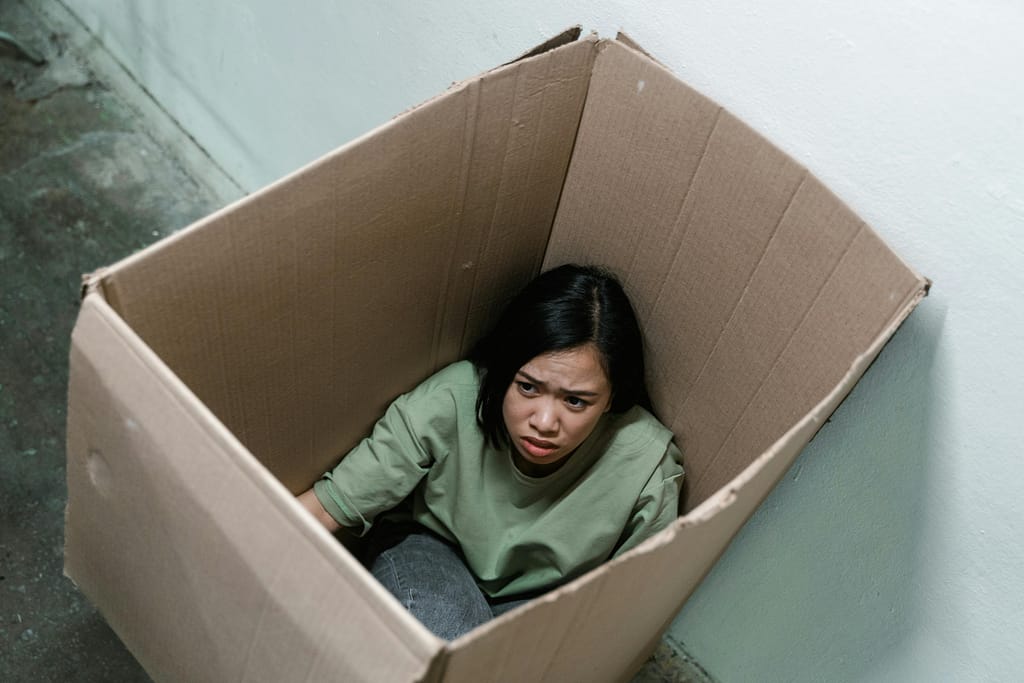
Flexibility Helps Focus On What Matters
At 23 years old and having just graduated from college a few months ago, it occurred to me that my colleague’s recent past had demonstrated nothing but change and impermanence that helps keep her life feeling flexible and resilient. High school, Covid, then college- her last 5 years had been nothing but revisions and adaptations.
Exactly two decades older, I’ve become stodgy and set in my ways, fearing too much change all at once and suspicious of almost everything. For the last 12 years very little in my immediate life has changed: I’ve lived in the same house, had the same partner, dog, and surrounded mostly by the same group of friends.
I adore my life, and wouldn’t change any of it for the world, but in this moment, I see now that this consistency has knee-capped my capacity for flexibility. The stability my life has given me has in turn created a world where I am rigidly in my routines and bristle at any suggestion of swerving outside my comfort zones.
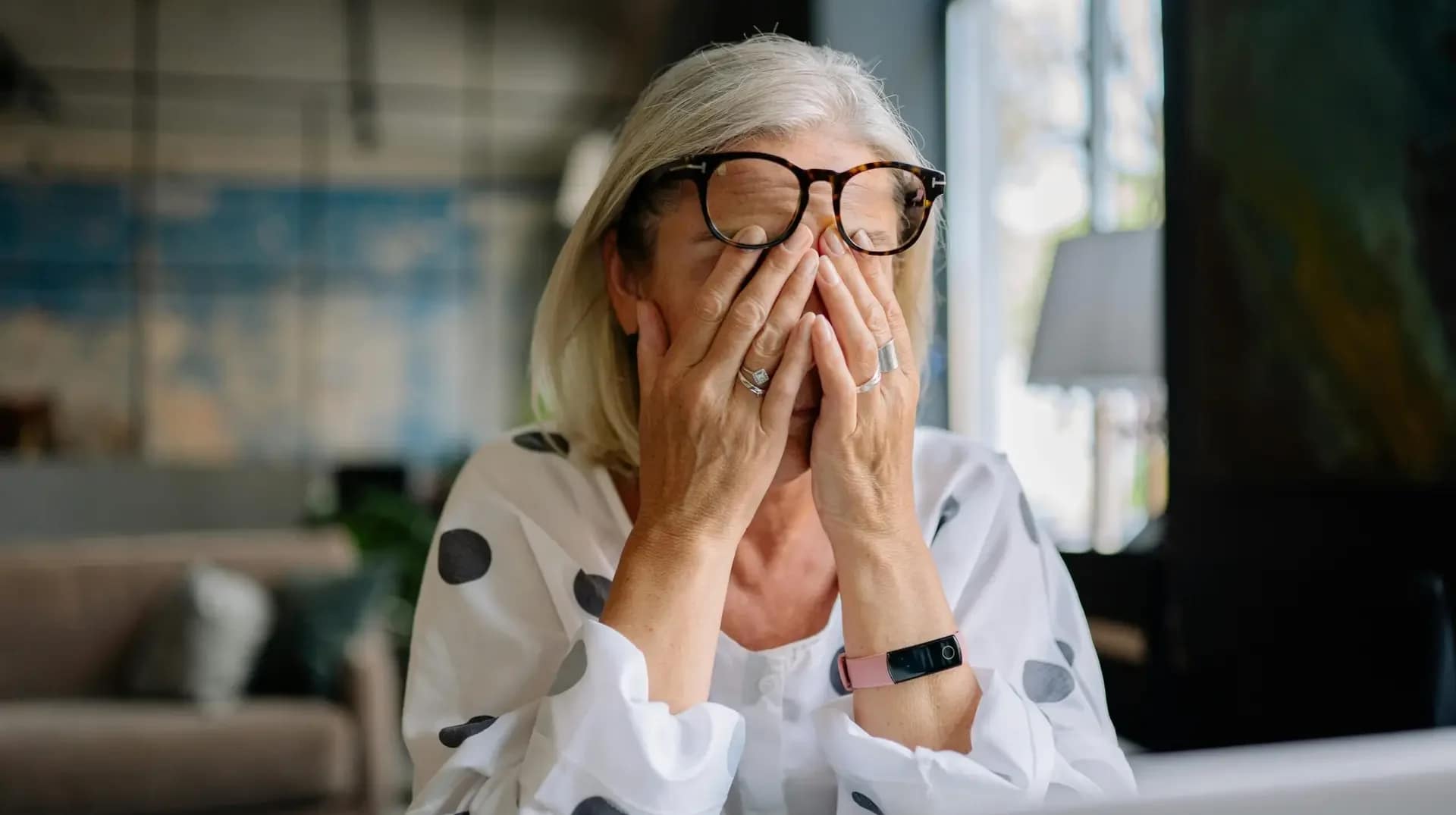
Currently I spend hours, even days, researching anything before I make any final decisions. Curtains for my patio, a new phone case, what hotel to stay in on a next trip out of town. What begins as an earnest excitement to research and find ‘the best’ quickly devolves into decision-making fatigue, often resulting in putting off the task entirely once it stops feeling fun, or a form of impulsive surrender, hastily picking the most recent option I’ve found when I’ve completely run out of steam for the task.
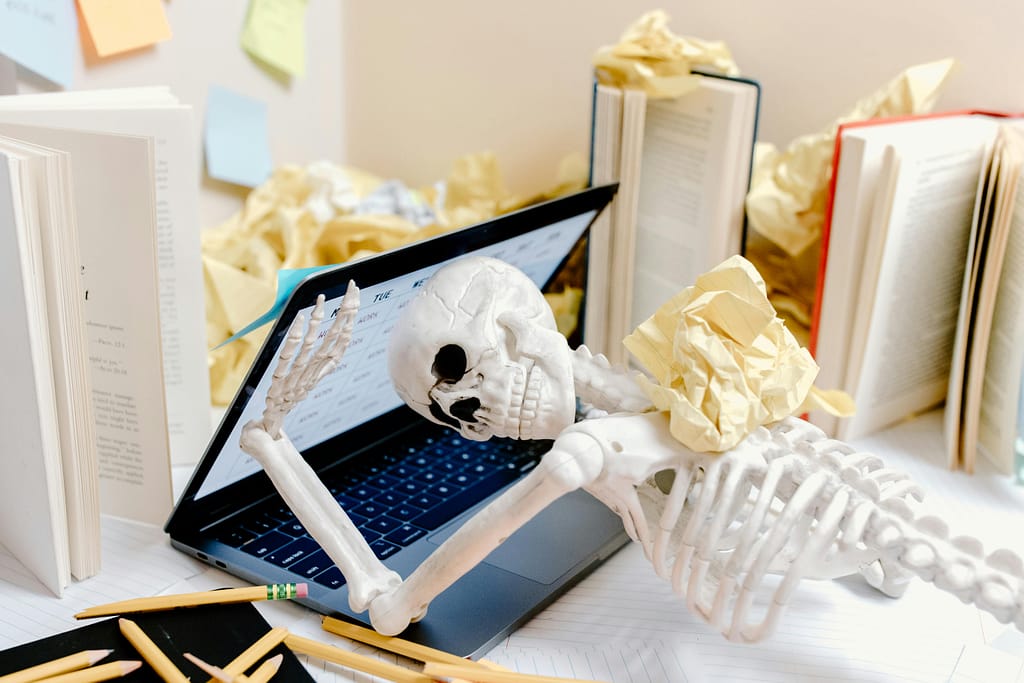
I must stop treating each decision like a permanent, life-altering choice.
The conversation with my colleague was a stark reminder that every decision does not require the gravity with which I handle them. But with so little change in my own day to day life, even the small choices have begun to take up an outsized importance in my mind.
Trust Yourself
The anxiety I experience when met with these decisions is a strange mix of FOMO and seemingly a lack of self trust. No one wants to miss out on an amazing experience or product, but what I would like to remind myself the next time I am tangled in this self-made decision purgatory is that I will be able to handle whatever happens, even if it turns out that the hotel I chose doesn’t blow my mind or the internet provider isn’t all that it’s cracked up to be.
I need to trust myself that a) I’m not not considering any options that are unsafe or irresponsible to consider and b) it’s gonna be ok if the choice I made isn’t perfect. I will survive.
The prevalence of ‘Free Returns’ and flexible cancellation policies has further eroded our ability to make decisions and feel confidence in them. Companies have set things up so we can reverse our choices the majority of the time- or at least have about 30 days to do so. But this flexibility might be working against us as well. While it is great to be able to change our minds on some things, perhaps it is more important to recognize that much of decisions have little actual significance.
Type 1 and Type 2 Decisions
Business leaders talk about the difference between Type 1 and 2 decisions and how they should be navigated to best keep things moving forward in an efficient manner. The ability to distinguish one type from the other is exactly the distinction that I am needing to master as I move through my life- I believe this strategy could be helpful to not feel bogged down by the seemingly endless choices one makes to get through each day.

Type 1 decisions are the decisions that are seen as a ‘one way’ door- the kind that are irreversible or having very high stakes. Think selling your company, getting a divorce, having a child. These kinds of decisions have lasting impacts, and should be considered methodically and with adequate time as they are choices whose long term effects are rather unchangeable.
Type 2 decisions are ‘two way’ doors- these decisions can be reversed if needed. Examples are trying a new website layout, hiring a housecleaner, starting a side hustle. The business world harps on the need to make these decisions swiftly to keep moving forward and innovating.
Getting hung up too long on these types of decisions can slow growth, giving a competitor the advantage as they swoop in and try the damn thing while you’re still there making graphs and holding focus groups to discuss the risks of taking action.
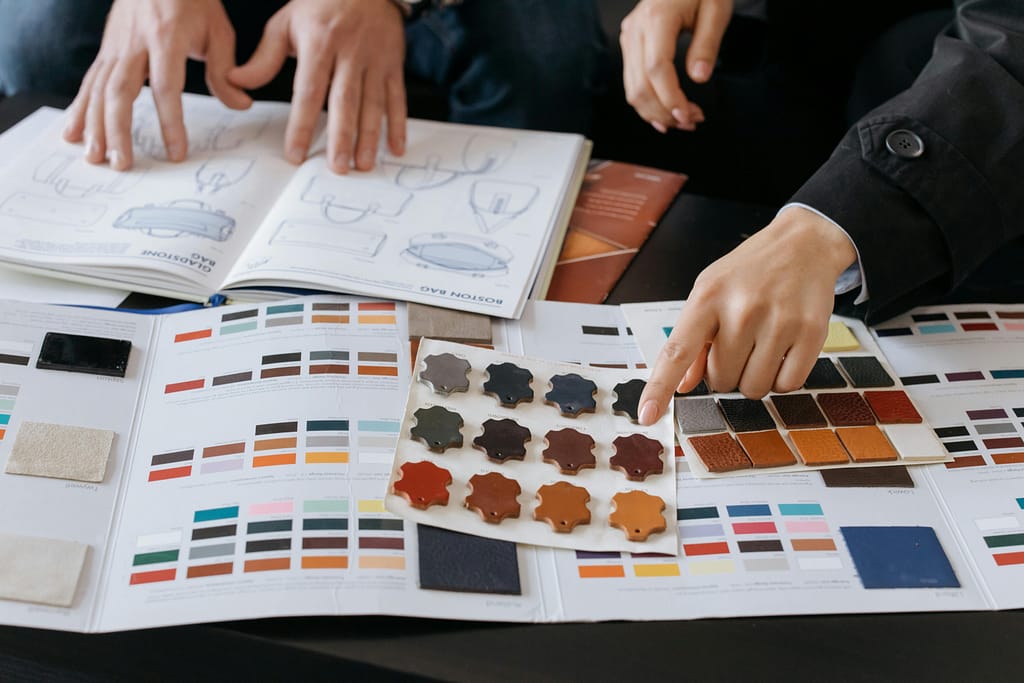
Evaluate and Act Accordingly
Recognizing the type of decision is key to prevent overthinking. It ensures coming to a conclusion using the appropriate approach, and is crucial in feeling like the right choice has been made in the moment, minimizing the likelihood of regret, and not wasting time that should be spent elsewhere.
The majority of the decisions we make in our lifetime are Type 2 decisions. We will save ourselves from exhaustion, overwhelm and burnout if we manage these decisions with the appropriate amount of energy and thought they require so we can keep powering through our lives and be present as much as possible.
Hindsight is 20/20, and while we may not stand by every decision we will ever make, approaching any decision with added awareness can at the very least offer peace of mind that the best choice was made in the moment with the information available at the time.
That’s the best that we can do most of the time. And that should be enough to move forward.
Final Thoughts
My hope is that the conversation with my colleague will stay fresh in my mind as I navigate making endless decisions on the minutiae of my life that keep it chugging along. I want to remind myself that the vast majority of the decisions I am making are objectively insignificant and should be handled swiftly and without too much thought. They can be reversed. They can be modified. And no matter what, I will be fine.
I can already feel the overwhelm start to drain.
Our capitalistic society has created a world where we are inundated with options. While in many cases we are excited about this, it’s ok to admit that sometimes it can just be too much.
So next time you’re leafing through the 14-page menu at a Chinese restaurant or melting down over a phone plan, just remember that it’s one meal of thousands that you’ll have in your life or you can always brave customer service if your needs aren’t met, and save that brain space for the big picture decisions that will truly require your time and focus.