The last several years has been plagued with efforts to cater to the wealthy, and the opportunities and experiences for the elite have exploded.
Careful market research has demonstrated that premium experiences for the elite generate staggering revenue- far more money to be made charging a sizable chunk to the few than garnering a bit more from the many.
Such expansions are no more obvious than in the travel sector, where disposable income is the difference between being able to travel and not. Boutique hotels are increasingly offering club level access for premium clients at a premium price, and Airlines like American, United and Delta have been rolling out restructured planes with ever expanding Business and First class cabins and drastically cutting the number of coach seats.
This will not only limit the number of cheaper fares available on each flight, but the cost of those remaining coach flights is likely to rise due to sheer availability.
The fall of Spirit Airlines in early May in many ways was the physical representation of the losing battle of a population left behind. The mere existence of the airline kept other airlines in check, offering rock bottom prices for bare bones travel- but nonetheless offered a service otherwise unavailable to a burgeoning population.
To remain competitive, other airlines were forced to offer cheap seats on their own fleets to cash in on budget fliers. The impact on competition was so pronounced that it was dubbed The Spirit Effect, a name it garnered during the 2023-2024 antitrust case where the Department of Justice blocked Jetblue from buying Spirit, precisely because of the importance Spirit’s prices had on the airfare market. The recent bankruptcy of the strangely beloved airline is seen as a tragic loss, an end of an era, and a turning point in keeping airfare competitive.
But the gloves are off. Spirit is out. And airlines have been awaiting this moment when they no longer have to cater to those willing to buy the bargain seats at the back of the plane.
While some might say it would be impossible to know the direct effects on airfare from the loss of Spirit airlines as sky high jet fuel prices from the war in Iran have been running in the background of the entire debacle, data tells a different story. In an article in Yahoo Finance, author Don Lair posits that if this were a fuel pass-through “you’d see uniform increases across the network. You don’t.”
Fare comparisons within the first 48 hours after the bankruptcy show some fares jumped significantly. On specific routes Spirit dominated, fares leapt anywhere from 52% to 218% — a $39 Vegas-to-Dallas seat became $124 overnight.
What’s most troubling is that Spirit was, in effect, its own downfall. Its rock-bottom fares gave people an opportunity to travel that otherwise couldn’t afford it, and the big carriers wanted a piece of that pie. But the difference was that those other carriers could afford to do so exactly because they offered more premium seats with a higher price point.
But then this story possibly unveils an uncomfortable truth: Can a wholly budget-centric business survive our capitalist economy?
This makes me reconsider, or reframe, my theory that the pendulum might be getting ready to swing in the other direction. While the top few percent will continue to live their out-of-touch lives and plan their escape to Mars or wherever, perhaps the next economic cohort beneath them will get lumped in with the rest of the economy, and organizations hoping to scoop up their business will begin to cater to a different tier of people.
In the last few weeks, there have been several restructurings of mid-tier credit cards with increased values and benefits. The Chase Sapphire Preferred is a perfect example of this- Their classic $95 annual fee card has always been a great deal, but the recent facelift elevated benefits without increasing the annual fee.
At first glance, I thought this was a last gasp effort to salvage the damage of the clunky rollout of their premium travel card the Chase Sapphire Reserve last year that didn’t perform nearly as they had hoped.
I now believe that what they have done with the mid-tier card is whip-smart strategy. By upleveling their mid-tier card, Chase can scoop up clients that may no longer be interested in paying the premium rates of the top travel cards whose annual fees have climbed to almost a thousand dollars a year. At $95 a year, these customers who have been paying $395 (Venture X) or more (Amex Platinum, Chase Sapphire Reserve) would be more than happy to throw money out of pocket for some of the perks not included in the Chase Sapphire Preferred because the benefits are still really great.
Spirit Airlines couldn’t survive because it never had premium options to offset the low cost. It’s a business model that frankly might not be possible in an economy where the divide between rich and poor is just too wide.
The honest truth is that unless you’re in the top few percent, it’s just getting more difficult to be comfortable, let alone survive with any feeling of financial safety. Even if it feels promising that companies might begin to offer budget-friendly options to make money, those options will still be more expensive than they used to be from a sheer supply and demand formula. Not only that, the quality might be questionable- as the old adage goes ‘Beggars can’t be choosers’, and these days integrity seems to be far less important than cash or stock price.
As much as I’d love to believe Chase is throwing us a bone, the crappy truth is that they’re looking to extract annual fees from whomever is still willing to pay, even if at a short-term loss on their end (yeah, the new perks are that good!). And while $95 a year feels like a steal for people who were paying hundreds a year on their premium cards, there’s still a majority of the population for whom that is out of their budget now more than ever, and they are exactly the people who were thankful for an airline like Spirit.
Spirit may have been the butt of endless jokes in its 34 years for its truly basic offerings, but countless passengers experienced their first flights because of the budget-friendly prices and offered opportunities for travel that otherwise would not have been possible.

Taking a Trip? The Things I Forgot So You Don’t Have To

Cuatro Vientos | Yoga Studio in Todos Santos, Baja California Sur
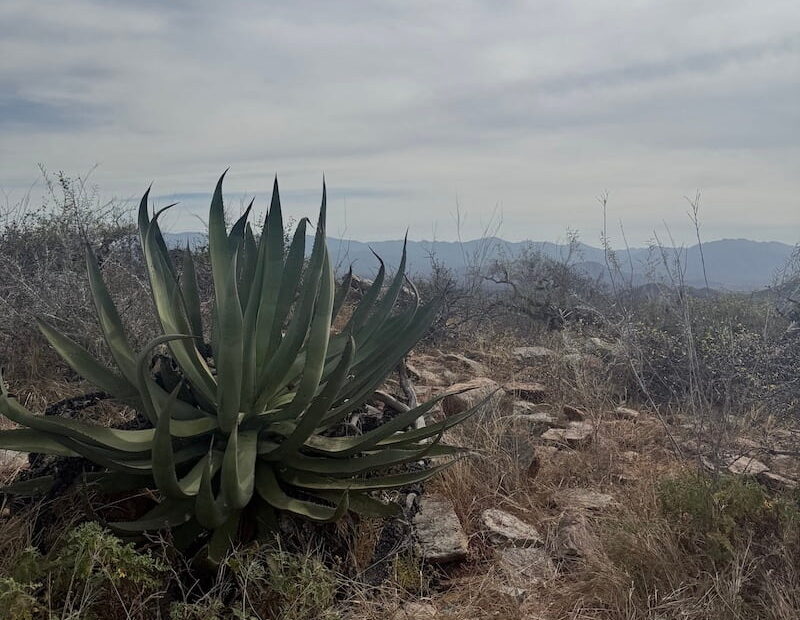
Punta Lobos Hike | One of the Best Things to Do in Todos Santos, Baja California Sur

Al Pastor Taco Tour: Todos Santos, Baja California Sur

Wellness at Estudio 52- Reformer Pilates in Todos Santos, Baja California Sur